
Rain & Malaria: Understanding the Link and How to Stay Safe
The monsoon season brings much-needed relief from scorching summer heat, refreshes the environment, and revitalizes agricultural lands. But while the rains are welcome, they also come with health risks — one of the most significant being malaria.
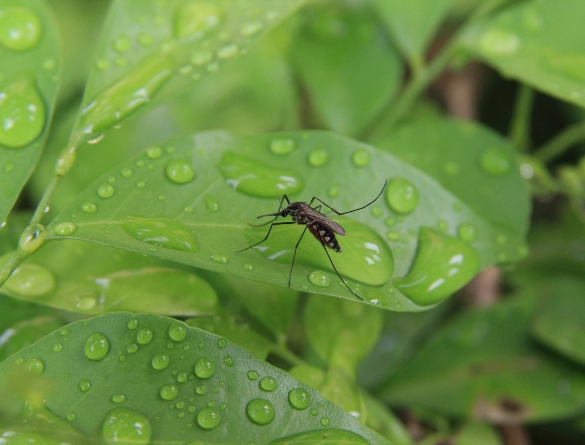
Malaria is a life-threatening disease caused by Plasmodium parasites, transmitted through the bites of infected female Anopheles mosquitoes. Rainy seasons create the perfect breeding ground for these mosquitoes, leading to a sharp rise in malaria cases in many parts of the world, especially tropical and subtropical regions like India, Southeast Asia, and parts of Africa.
Let’s explore how rain and malaria are connected, and what you can do to protect yourself and your family.
🌧️ How Rain Contributes to Malaria Spread
During and after rainfall, stagnant water collects in various places — puddles, potholes, clogged drains, water containers, flowerpots, construction sites, and even unused tires. These stagnant water pools become ideal breeding grounds for mosquitoes.
Here’s how the cycle works:
- Rain creates stagnant water.
- Mosquitoes breed in this water.
- Infected mosquitoes bite humans, transmitting the malaria parasite.
- Infected individuals become hosts, continuing the cycle of transmission.
Unlike some diseases that decline during wet seasons, malaria spikes sharply because the mosquito population increases dramatically when breeding conditions are favorable.
🦟 Recognizing Symptoms of Malaria
Early detection of malaria is crucial for effective treatment. Here are the most common symptoms:
- High fever (often with chills or sweating)
- Headache
- Nausea or vomiting
- Muscle pain and fatigue
- Abdominal discomfort
- Diarrhea (in some cases)
Symptoms usually appear 10–15 days after the mosquito bite. Malaria can range from mild to severe, and if left untreated, it can lead to serious complications like organ failure or even death.
🛡️ How to Protect Yourself During Rainy Season
Preventing malaria starts with stopping mosquito bites and breeding. Here are practical, effective tips:
1. Eliminate Stagnant Water
- Empty and clean water containers regularly.
- Cover tanks and buckets with tight lids.
- Clear clogged gutters and drains.
- Fill potholes and low-lying areas where water collects.
2. Use Mosquito Nets and Screens
- Sleep under mosquito nets, especially treated ones.
- Install window and door screens to prevent mosquitoes from entering.
- Use mosquito repellents and vaporizers indoors.
3. Wear Protective Clothing
- Wear long sleeves, long pants, and socks in the evening and at night.
- Light-colored clothing can help, as mosquitoes are attracted to dark colors.
4. Use Natural Repellents
- Essential oils like citronella, neem, eucalyptus, and lavender can act as mild repellents.
- Burning camphor or lemongrass oil can help deter mosquitoes indoors.
5. Seek Medical Help Early
If you develop symptoms such as fever or chills during the rainy season, consult a doctor immediately. A simple blood test can confirm malaria, and early treatment improves outcomes.
🏥 Government & Community Role
Public health departments often carry out fogging, spraying, and awareness campaigns during the monsoon. Communities should work together to keep neighborhoods clean, remove mosquito habitats, and educate people about prevention.
🌱 Final Thoughts
Rain is essential for life, but it also creates environmental conditions that can lead to the spread of diseases like malaria. Awareness, preventive action, and prompt treatment are key to staying safe.
By maintaining cleanliness, avoiding mosquito bites, and knowing the symptoms, we can all contribute to reducing malaria cases — making the rainy season enjoyable and safe for everyone.